

In this section, we’ll explore how to choose the right financial management approach by tailoring strategies that align with your business needs. In contrast, an accountant’s skill set focuses on analytical skills, critical thinking abilities, and a comprehensive understanding of financial principles and regulations. Accountants must keep up with changes in accounting Oil And Gas Accounting standards, tax laws, and financial reporting regulations. Therefore, they should be proficient in financial analysis, tax planning, and preparing complex financial statements. On the other hand, accountants are the ones who use the information gathered by bookkeepers to provide broader financial analysis, prepare reports, and give strategic guidance to the company. They assess the overall financial health, identify trends, and make recommendations for improvement.

What Is Payroll Accounting?
Accounting is an analytical process that interprets what those transactions mean for your business. While accounting encompasses many types, the two most common categories are financial and managerial accounting. Each of these plays an important role, but overall, accounting supports businesses to make informed decisions regarding investments, expansion, and operational improvements. Notably, the BLS also projects a decline in the bookkeeper job market from 2023–33, while it projects accountant roles to grow by 6% during the same period. Accountants also ensure their employer complies with all applicable financial disclosure and reporting requirements.

Financial Data Recording & Organizing
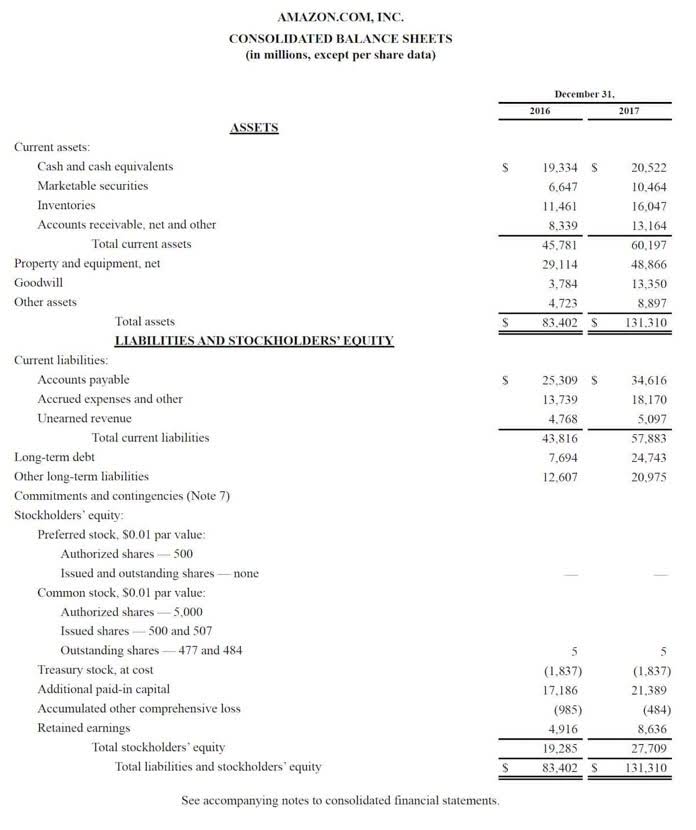
The amount of insurance that was incurred/used up/expired during the period of time appearing in the heading of the income statement. The amount of insurance premiums that have not yet expired should be reported in the current asset account Prepaid Insurance. On payday, December 31, the checks will be distributed to the salaried employees.
- In addition to tuition, you’ll need to budget for textbooks and other expenses, which add to the total cost of your degree.
- Payroll management ensures that employees are paid accurately and on time while maintaining legal and tax obligations.
- Examples of employee benefits include holiday pay, subsidized meals, car fringe benefits, pension schemes, business health insurance, childcare assistance, life insurance benefits, and employee discounts.
- Bookkeeping organises financial data used for reports like profit & loss and cash flow statements while payroll generates pay stubs, tax filings, and compliance documents.
- The work of a bookkeeper is likely to vary depending on the needs and requirements of your business.
Income & Expense Tracking
Now, let’s delve into the different bookkeeping techniques and software available to businesses today. Traditionally, bookkeeping was done manually using ledgers or journals, requiring meticulous attention to detail and mathematical accuracy. A career in bookkeeping typically involves keeping financial records; therefore, it can include positions like bookkeeper, accounting clerk, or payroll specialist. While growth opportunities in bookkeeping may be limited, bookkeeping and payroll services gaining experience and certifications can lead to higher-level or supervisory positions. Experienced bookkeepers may also transition to accounting roles with additional education and training. Regarding job responsibility, bookkeepers are primarily focused on recording day-to-day financial transactions.
Determines the Cost of Each Employee
While both handle money, bookkeeping tracks all financial transactions, and payroll focuses on employee compensation. Their main role is to maintain financial records that are accurate, up-to-date, and compliant with accounting standards QuickBooks and regulations. Without proper bookkeeping, it becomes difficult to understand your business’s financial position or make informed decisions based on reliable data.
Employer portion of Social Security tax
In the U.S., an enrolled agent (EA) is a tax preparer authorized by the IRS to represent taxpayers. To become an EA, they have to pass a 3-part comprehensive exam covering individual and business tax returns or have experience working for the IRS. While it can be reassuring to see letters after an individual’s name, we recommend focusing instead on finding an accountant who offers the services you need, you feel comfortable with, and trust. Even if an accountant has a degree and a certification, it doesn’t mean they are a better choice than a bookkeeper with sufficient experience.

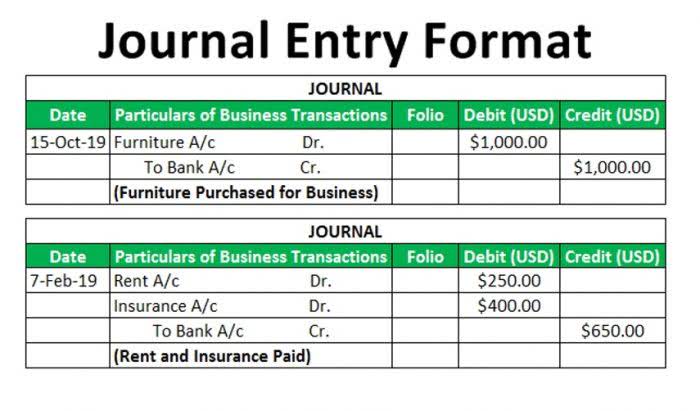
A related account is Insurance Expense, which appears on the income statement. The amount in the Insurance Expense account should report the amount of insurance expense expiring during the period indicated in the heading of the income statement. A current asset which indicates the cost of the insurance contract (premiums) that have been paid in advance. It represents the amount that has been paid but has not yet expired as of the balance sheet date. Liabilities also include amounts received in advance for a future sale or for a future service to be performed. To learn more about outsourcing payroll processing including risks and responsibilities see “Third-Party Payer Arrangements” found in IRS Publication 15, Employer’s Tax Guide.